
The Power of Hope in Behaviour Change: How Nisha Transformed Her Health with Motivation and Purpose
I was watching a lecture the other day delivered by Dr. Jen Unwin, a leading psychologist in the field of metabolic disease. She explained that when it comes to making lasting changes to your health, especially in the context of chronic conditions like type 2 diabetes, obesity, auto-immune conditions etc, there’s one factor that often makes all the difference: Hope.
Hope isn’t just a feeling of optimism; it’s the belief that change is possible, and it’s this belief that fuels our actions and keeps us going even when the road gets tough. In my practice, I’ve seen how hope, when carefully nurtured, can ignite behaviour change and lead to incredible transformations in health.
Today, I’ll share how hope was central to the transformation of one of my patients, Nisha, and how you can cultivate this powerful force in your own life.
Why Hope is the Key to Behaviour Change
Hope, as explained by Dr. Unwin, is the most important factor in the psychology of behaviour change. Hope isn’t just about staying positive, it’s about having the belief that you can make changes and that those changes will lead to a better outcome.
When patients believe that their efforts will make a difference, they are more likely to take action, persist through setbacks, and stay on track. This belief transforms how they approach their health journey, and ultimately, their long-term success.
In the context of managing and reversing chronic illnesses, this means that hope isn’t just an emotional asset; it’s a practical tool for motivating action. When people believe that dependence on medication, or disease progression can be reversed, they take the necessary steps to make those changes happen.
Nisha’s Journey: From Despair to Hope
Let me introduce you to Nisha, a 48-year-old woman who came to see me after experiencing a series of health setbacks.
Nisha’s Health Struggles:
Nisha had been struggling with type 2 diabetes for several years. Although her blood sugar had been relatively well-controlled with oral medications, everything changed when she fell ill with a respiratory infection that resulted in pneumonia and several hospital stays.
After being treated with high doses of cortisone, her blood sugars spiked dramatically. In addition to her usual anti-diabetes medications (Metformin + 2 other molecules taken 3 times a day) her doctor started her on insulin — a step she had always feared because of the complications she had seen her father experience with type 2 diabetes. Soon after her father started insulin therapy he had both legs amputated (poor blood circulation and gangrene) and he ended up on dialysis. Nisha was terrified of following the same path.
The Trigger for Change:
When Nisha came to me, her blood sugars were averaging 16 mmol/L over the past three weeks, and she was feeling exhausted, despondent, and scared. She feared that starting insulin meant she was locked into a lifetime of diabetes progression, just like her father. Her physician had told her that she would need to use insulin for the rest of her life.
I explained to Nisha that it was possible to free herself from insulin, but she needed the right approach. She burst into tears: “Dr. Karen, you don’t know how much this means to me. You have given me hope for better health in my future”.
Hope became the driving force for Nisha’s transformation. Hope empowered her to make the changes needed to turn her health around.
Interventions: Turning Hope into Action
Together, we developed a plan based on lifestyle medicine principles, carefully considering how to nurture her hope and turn it into real, actionable change.
Here’s how we worked together:
1. Dietary Overhaul: Low-Carb Eating
Nisha agreed to overhaul her diet, moving towards a low-carb eating style. This dietary shift was crucial in stabilising her blood sugars.
Before: Nisha’s typical day was full of foods that could spike her blood sugar, including:
- Breakfast: Coffee with milk and sweetener, oatmeal with honey, dried fruit, and banana.
- Snacks: Coffee with milk and sweetener + 3-4 digestive biscuits.
- Lunch: Canteen food (e.g., panini with chicken salad, fried noodles with chicken, curry with rice and lentils).
- Dinner: Traditional food with chapatis, vegetable curry, lentil soup, and fish/chicken.
- Before bed: Ginger infusion with honey.
After: Nisha transitioned to a low-carb diet, focusing on whole foods like lean proteins, leafy greens, and non-starchy vegetables. We emphasised avoiding high-carb foods like bread, cereals/grains, rice, honey, and sugary snacks, which were triggering her blood sugar spikes.
2. Exercise: Building Consistency
Nisha’s lack of physical activity had contributed to her health struggles. We agreed that she would start exercising three days a week. Exercise isn’t just about burning calories; it helps to improve insulin sensitivity and stabilise blood sugar levels.
Before: Nisha’s day was sedentary except for occasional walking between departments at work, averaging fewer than 4000 steps per day.
After: Nisha committed to gym workouts, starting with simple strength training exercises to build muscle mass, and eventually incorporating cardiovascular exercise to improve heart health and glucose metabolism.
3. Monitoring: Empowering Nisha with Real-Time Feedback
One of the key psychological tools we used was a continuous glucose monitor (CGM). This allowed Nisha to monitor her blood sugar in real-time, giving her a sense of control over her condition and reducing her fear of hypoglycaemic episodes. Before, she was waking up multiple times during the night to manually check her blood sugar readings, which was disrupting her sleep and contributing to fatigue.
Using a CGM really helped reassure her that she could monitor and manage her diabetes effectively without fear.
Results: The Power of Hope in Action
In just 4 weeks, we were able to stop her insulin. By 6 weeks, she had lost 4kg, and we started reducing her other medication doses. By 12 weeks, Nisha had lost 12kg and was only on Metformin. Her blood sugars had come down significantly, and she was insulin-free… A goal she had never thought possible before. Her health was improving steadily, and, most importantly, her fear was gone.
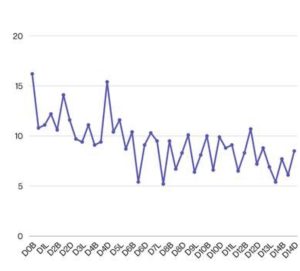
This is a graph showing Nisha’s blood glucose measurements over the first 14 days of her lifestyle change journey.
As I’m writing this blog, it has been more than a year since Nisha suffered any respiratory infections — a major win for her immune system!
What Can We Learn From Nisha?
- Hope was the foundation of Nisha’s success. Once she believed that insulin-free living was possible, she took action, even when it seemed difficult.
- Actionable steps, like dietary changes, exercise, and glucose monitoring, allowed her to track her progress and build confidence.
- Psychological support, including addressing her fears and giving her the tools to manage them, kept her motivated throughout the journey.
Exercise: How to Cultivate Hope in Your Own Health Journey
- Reflect on Your Health Goals: What is your ultimate health goal? (For example: “I want to improve my blood sugar and reduce my reliance on insulin.”)
- Identify Barriers: What obstacles are holding you back from achieving that goal? (Is it time, stress, fear of failure?)
- Find Your Source of Hope: What would achieving your goal mean for you? How would your life improve? (Visualising your success will help create motivation.)
- Set Small, Achievable Goals: Break your larger goal down into small steps that feel manageable. These could include small dietary changes, increasing physical activity, or starting a tracking system like a blood glucose log or fitness tracker.
Homework: Create Your Action Plan
- Choose One Area to Focus On: Is it your diet? Exercise? Stress management? Sleep?
- Track Your Progress: Start tracking your food, exercise, or glucose levels to see how small changes add up.
- Celebrate Every Victory: No matter how small, every success should be celebrated as a step closer to your goal.
Remember:
Nisha’s story is a testament to the power of hope and how it can fuel profound change. When you believe that change is possible, and when you have the right support and tools, you can overcome even the most challenging health obstacles.
If you’re ready to start your own health journey or have already begun, hope is the spark you need to keep moving forward. Know this: change is possible, and with the right mindset and plan, you can achieve your goals.
Stay tuned for the next post in our series, where we’ll discuss how to bridge the gap between knowledge and action in behaviour change.