
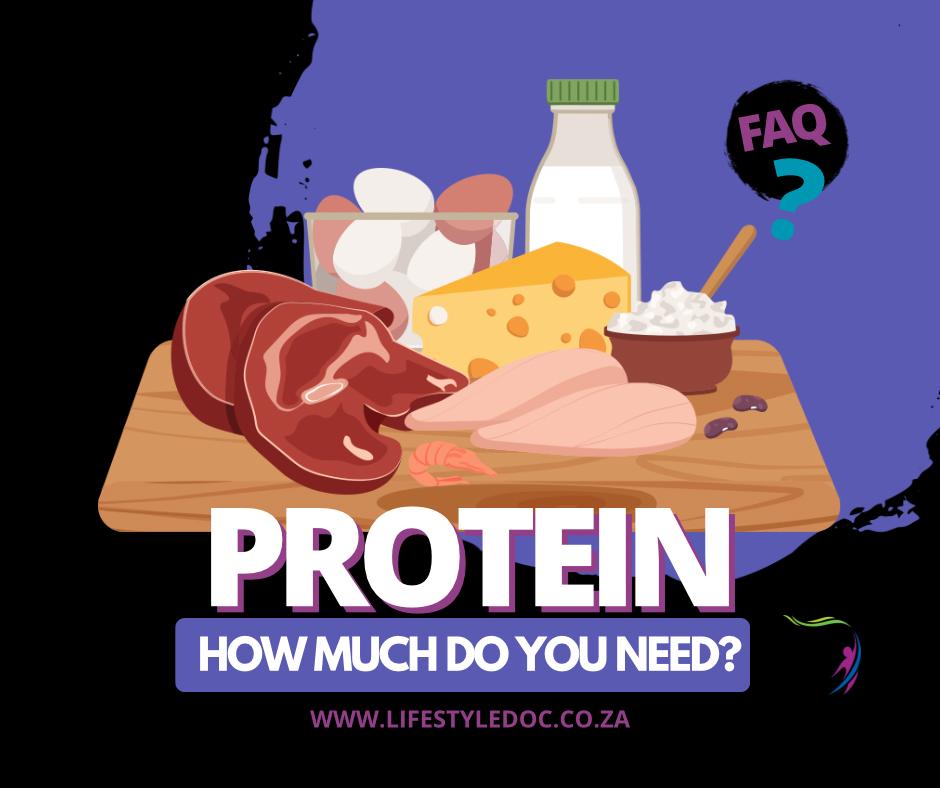
Protein: An Essential Nutrient for Health and Vitality
One of the most common nutrition mistakes I see my patients make is that they don’t eat enough good-quality protein. If you don’t get the right amount of protein in your diet, you will struggle to achieve your health, weight and fitness goals.
Protein: The Building Block of Life
Protein is like the glue that holds your body together. Every cell in your body needs PROTEIN to function properly. From building and repairing muscles to producing enzymes, hormones, and even supporting your immune system, protein is involved in almost everything your body does.
Think about it: every time you lift weights, go for a run, or simply walk up the stairs, your muscles experience tiny tears. Protein helps repair and rebuild those tears, making your muscles stronger. It’s also key to maintaining healthy skin, hair, and nails. Besides calcium, magnesium, and other minerals… your bones are made of a protein matrix.
Let’s say you’re recovering from an intense workout. Eating a protein-rich meal, like grilled chicken with quinoa and vegetables, helps your muscles bounce back faster. Or, if you’re trying to grow your hair or nails, protein is a must-have in your diet.
How Much Protein Do You Really Need?
How much protein is enough?
The answer depends on your age, activity level, and goals. The general recommendation is minimum 0.8 grams of protein per kilogram of body weight. But if you’re active, trying to build muscle, or recovering from an illness, you may need 1.2–2.0 grams per kilogram.
Remember, your body is made up of approximately 60–70% water, about 20% protein, and the rest includes fats, minerals, and only 1-2% carbohydrates. This means protein is the second-largest component of your body after water and the most important structural and functional building block of your physique. Every cell, tissue, and organ relies on protein to maintain its structure and carry out essential functions like repair and growth.
If you weigh 70 kg (154 lb) and don’t do any sport, your body needs about 56 grams of protein daily to maintain basic function. But if you’re lifting weights or training for a race, you might need 100–140 grams of protein to support muscle repair and growth.
Adding simple protein-rich meals, like scrambled eggs with spinach for breakfast or grilled salmon with veggies at dinner, helps you meet these needs while supporting your body’s structural and functional health.
Best Protein Sources: Animal-Based vs. Plant-Based
Where should your protein come from? Both animal and plant-based sources can fit into a healthy diet. Animal proteins (like chicken, fish, eggs, and dairy) are complete proteins, meaning they contain all nine essential amino acids your body can’t make on its own.
Plant-based proteins (like beans, lentils, tofu, and quinoa) can be just as powerful, but some are incomplete. The good news? Pairing foods like rice and beans or peanut butter and whole-grain bread gives you all the amino acids you need.
You must understand that a protein-containing food like chicken or steak is not 100% protein. So, if you eat 100g of these foods, you will not automatically be getting 100g of protein. 100g of chicken breast is about 31g protein.
Plant-based protein sources tend to be less protein-dense so you need to eat relatively large volumes of these foods to meet your daily protein requirements.
Here are some examples of high-protein foods and the amount of protein they contain:
CHICKEN BREAST: 100g = 31g protein
SALMON: 100g (3.5 ounces) = 25g protein
LEAN BEEF: 100g (3.5 ounces) = 36g protein
TURKEY BREAST: 100g (3.5 ounces) = 29g protein
EGGS: 2 large eggs = 13g protein
SHRIMP: 100g (3.5 ounces) = 24g protein
GREEK YOGHURT: 1 cup = 24.5g protein
COTTAGE CHEESE: 1 cup = 28.5g protein
TOFU: 100g (3.5 ounces) = 8g protein
LENTILS: 1 cup = 18g protein
CHICKPEAS: 1 cup = 32g protein
BLACK BEANS: 1 cup = 36g protein
KIDNEY BEANS: 1 cup = 42g protein
ALMONDS: 28g (1 ounce) = 6g protein
QUINOA: 1 cup = 6g protein
PEANUT BUTTER: 2 tablespoons = 8g protein
You can download a handy PROTEIN INFO SHEET which lists the protein content of many common foods here.
Protein for Weight Management and Metabolism
If you’re trying to lose weight or maintain a healthy weight, protein is your best friend. It helps you feel fuller for longer, reducing the urge to snack on unhealthy foods. Plus, your body burns more calories digesting protein compared to carbs or fats—this is called the thermic effect of food.
Let’s say you’re craving a late-night snack. Instead of reaching for chips, you could have a small bowl of cottage cheese, a boiled egg or a piece of leftover chicken with avocado. These options are high in protein, filling, and help you avoid empty calories.
What Happens When You Don’t Get Enough Protein?
When you skimp on protein, your body suffers. You might notice muscle loss, slower recovery after exercise, fatigue, or even hair thinning. Over time, protein deficiency can lead to weakened immunity, more frequent infections, and poor healing from injuries.
Imagine someone following a diet low in protein, like eating mostly pasta or cereal throughout the day. They might feel sluggish or notice they’re losing muscle mass over time. To fix this, adding protein sources like eggs at breakfast or beans at lunch can make a big difference.
Remember that protein is an ESSENTIAL macro-nutrient. When you are planning your meals and snacks, be sure to consider protein as a major component, making up at least 25% of your total daily volume of food.
For more information on meal planning, consider my NEW Nutrition Basics PLUS programme, learn more here.