

Insulin Metabolism
Understand this hormone and take control of your energy, appetite and weight.
Insulin is released by your pancreas, which lies just under your ribs on your left side. When you eat or drink anything that has the potential to raise your blood glucose level, your pancreas responds by releasing insulin into your blood.
Insulin is a hormone. That means it travels in the bloodstream and attaches onto molecules on the surface of body cells called receptors. When this happens, a cascade of events in the membrane and internal structure of the cell is triggered.
The main action of insulin is to facilitate the movement of glucose out of your blood into your body cells where it can be used for energy or stored as fat.

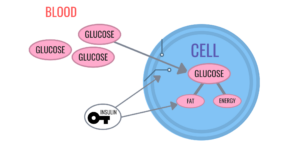
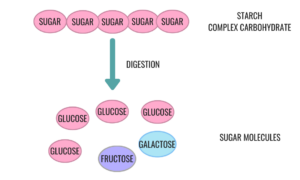
When you eat rice for instance, the rice is digested from starch into smaller sugar molecules. These sugar molecules are absorbed into your blood, your blood sugar level rises and this triggers release of insulin by your pancreas. Sugar is then moved from your blood into your body cells with the help of insulin. In this way, your body cells access the sugar they need for energy, and your blood sugar level remains stable and normal.
What happens if you don’t make insulin?
Insulin is essential to life. Without it, glucose cannot move through the cell membrane and accumulates in the blood. The cell itself is starved of energy, and the body tries to eliminate the excess glucose through the kidneys.
This is what happens to Type 1 diabetics who cannot make insulin at all. They have extremely high levels of blood glucose, but their body is starving. They pass urine excessively to try and get rid of glucose in their blood and in the process become extremely dehydrated, lose minerals and salts and will die if they don’t receive treatment with insulin.
Before the discovery of insulin in 1922, Type 1 diabetes was managed through fasting and calorie restriction, but most patients died soon after diagnosis. Now, Type 1 diabetes is considered a chronic illness like high blood pressure or epilepsy and is managed with insulin replacement. People with Type 1 diabetes have a normal life-expectancy if their blood glucose is well-controlled.
What happens if you have too much insulin?
If you have eaten a meal very high in carbohydrates and you have a lot of glucose released into your blood, you will naturally release a lot of insulin to compensate for this. The insulin will then efficiently push glucose out of your blood into your body cells to maintain a stable blood sugar level. If you do not use the glucose for energy, it will be converted to fat molecules and stored for later.
There is a limit to the amount of glucose your body can store: You have some stored as glycogen in your liver and in your muscle.
There is no limit to the amount of fat you can store.
If you fill up one cell with fat, your body can make new fat cells and store more. And, insulin is a major role-player in the fat storage process. The more insulin you have circulating in your blood, the more fat your body will store.
Insulin also stimulates hunger. Having a rapid rise in blood sugar leads to an outpouring of insulin. The blood glucose level drops and you start craving more to eat.
It’s a vicious cycle of hunger, insulin release, fat storage and more hunger.
If insulin is around your body cannot burn fat:
Energy metabolism is very complicated and involves many steps, with enzymes and co-factors and hormones all playing a role. If you want to use fat instead of sugar for energy, you have to switch off the process of glucose transport from the blood into your body cells. It is much easier for your cells to use glucose than it is to break down fat.
The only way to effectively achieve fat breakdown is by starving the cell of glucose. This means, that you have to stop the action of insulin. The best way to do that is to reduce the need for insulin in the first place: either eat low-carbohydrate foods, practice intermittent fasting or exercise to deplete the glucose stores in your blood, liver and muscle.
What is Insulin-resistance?
Insulin-resistance happens when insulin does not work as effectively as it should. It usually happens because of disrupted and inefficient metabolism. Factors that promote insulin resistance are:
- Poor diet (especially eating lots of refined carbohydrates)
- Little physical activity
- Poor sleep
- Stress
- Being overweight
In established insulin-resistance, insulin is released into the blood in response to an increase in blood glucose. But, the insulin doesn’t have the desired effect of reducing the blood sugar effectively, so more insulin is released. The receptors on the cell surface become exhausted by the excess stimulation of insulin and they down-regulate which makes the situation even worse. More insulin stimulates more hunger and more fat storage and more insulin resistance. Another vicious cycle.
Insulin has other effects in the body besides blood sugar control: it interacts with other hormones like estrogen, progesterone and testosterone and cortisol.
Having a high Insulin level is BAD!
Besides the fact that insulin stimulates appetite, makes you gain weight and makes it really difficult to lose weight… it is also associated with increased inflammation, the nasty type of chronic inflammation that causes long-term health problems.
Having high insulin levels in your blood puts you at risk of:
- Type 2 diabetes
- Heart Disease
- Stroke
- Cancer
- Dementia including Alzheimer’s and Parkinson’s
- PCOS and fertility problems
- Fatty liver
- Chronic skin conditions like acanthosis nigricans, eczema, acne and skintags
- Depression
- Accelerated ageing
If you want to control your weight and your appetite and optimize your metabolism, you have to correct your insulin.
How do you know if your insulin level is high?
Insulin causes the typical heaviness and fatigue you experience after eating a large meal. You know, after Christmas lunch… when you cannot keep your eyes open anymore? That’s insulin. And when you suddenly feel hungry again later, that’s also insulin.
People with high insulin tend to carry more weight around the waist area, they may have darkening of the skin at the back of the neck, under the arms and in the groin folds. And, they might have skin tags.
If you suspect your insulin might be high, you can have a blood test to check it. Insulin is always tested after at least 8 hours of fasting to get an accurate baseline measurement.
Having a normal insulin level is great for your metabolism, energy levels as well as your mental and physical performance. If you suspect you may have an imbalance in your insulin metabolism, talk to your doctor about having a blood test to check your insulin.
Have you heard of the Insulin Index?
You have probably heard of the glycaemic index which gives an indication how a certain food is likely to affect your blood sugar. Food with a high glycaemic index causes a rapid and dramatic increase in blood sugar, while foods with a low glycaemic index, will affect blood sugar to a lesser degree.
In the same way, the Insulin Index is a measurement of how a food is likely to affect your insulin level. It is a more important measurement than the glycaemic index because having a high blood insulin level is potentially very harmful.
How is the Insulin Index calculated?
Scientists enlist the help of volunteers who are willing to eat various foods and have their blood tested before and after eating. This is naturally a lengthy and laborious process involving needles, but it is for the greater good.
If you want to compare the body’s insulin response to apple versus egg for instance, you ask a volunteer who has not eaten for at least 12 hours to give a blood sample. You measure his blood insulin level in the fasted state. He then eats some apple slices (let’s say 100 calories of apple). Two hours later, you repeat the blood test to measure his insulin level in response to the apple he ate.
You can repeat the experiment on the same person the next day. But this time, give him the same number of calories of egg to eat. Measure his insulin before and 2 hours after eating the egg.
Naturally, this is an oversimplified explanation. The experiment would have to be repeated on thousands of people to establish an average insulin index for each food. Thankfully scientists have time and resources to do this type of work, and we now have validated measurements for many of the popular foods available in your local grocery store.
Foods are classified with reference to white bread which has an Insulin Index of 100.
Why is the Insulin Index so useful?
If you want to lose weight or control your appetite, then the Insulin Index is a very helpful tool you can use to plan your meals.
When you eat a food with a high Insulin Index, a LOT of insulin is released. Glucose is moved rapidly and in large amounts from your bloodstream into your body cells. If this glucose is not used for energy, then it will be converted to fatty acids and stored as fat.
Your blood sugar drops quite quickly after eating a food with a high insulin index, which will cause you to feel hungry. You will then seek out or crave food to quickly raise your blood sugar again (likely a food with a high insulin index). The cycle repeats. Hunger stimulates intake of food which stimulates insulin. Insulin drops blood glucose and triggers fat storage. Hunger is triggered again.
Using the Insulin Index to optimize your metabolism:
If you have a lot of insulin circulating in your blood, your body is in fat-storage mode. To change metabolic gear and start burning fat, you have to decrease your blood insulin level.
One way to do this is to eat foods with a lower insulin index. These foods will not trigger your pancreas to release a lot of insulin and you can eat these foods happily in the knowledge that you will feel satiated for longer.
Here are some common foods with a low Insulin Index:
- Eggs
- Cheese (traditional cheeses: feta, cottage cheese, camembert, brie, parmesan, mozzarella, aged cheddar etc)
- Meat
- Chicken
- Fish and seafood
- Nuts and seeds (including sugar-free nut-butters)
- Avocado
- Olives and olive oil
- Coconut and coconut oil
- Green vegetables
Try to include more of these foods in your daily diet. You will feel fuller for longer. You will experience fewer cravings. You will find it easier to lose weight. Your body will become more efficient at burning fat for energy.
Why is the Insulin Index more useful than the Glycaemic Index?
For most foods (especially foods that contain significant amounts of carbohydrates), the glycaemic index is closely correlated with the insulin index.
However, this is not always true.
Some foods that are high in protein or fat do not have much effect on blood glucose levels, but can affect insulin because they will later be metabolized into molecules that trigger insulin release.
Other foods can directly stimulate insulin through their effects on the nervous system. For instance, eating artificial sweeteners like xylitol will not affect your blood sugar, but can raise your insulin level because simply eating something that tastes sweet triggers the release of insulin by your pancreas.
You might be surprised to know that eating a whole baked potato is worse for your insulin level than eating the same calories as French fries. Wholewheat bread also has a higher insulin index than French fries. Eating ice-cream is better for your insulin level than low-fat fruit yoghurt. While baked beans in tomato sauce have a low glycaemic index, their insulin index is high.
What other ways can you improve your insulin levels?
The types of foods you eat is not the only factor that impacts on your insulin metabolism. Stress, sleep routine, physical exercise and exposure to toxins can all impact on your insulin levels.
Here are some tips to help you improve insulin sensitivity and overall metabolism:
Get enough good quality sleep
Sleep deprivation is a significant stressor. If you haven’t slept well or long enough you feel sluggish, irritable and tired. Your body will release cortisol to boost your energy. Cortisol raises your blood sugar level, which stimulates insulin. That’s one of the reasons you may crave sweet or rich foods when you are tired. If you are fatigued, you are less likely to resist temptation.
Move more
Physical activity uses glucose, which means you need less insulin to keep your blood sugar level under control. Physical activity (especially strength training) conditions your muscles to be more efficient at burning glucose. If you have more muscle tissue, you use more glucose, even during times of rest.
Relax
Stress is BAD for insulin. Our bodies respond to stress in a physical way (even if the stress is emotional or mental). We release adrenal hormones like adrenalin and cortisol that raise blood sugar levels. Most of the time, we won’t burn all the glucose released during a stressful event and insulin is needed to restore normal blood sugar levels once the stress has subsided. Stress contributes to high insulin and stress stimulates fat storage.
By finding effective ways of reducing your stress like good time-management, mindfulness, meditation, exercise, time in nature or a massage you can significantly reduce your insulin.Try intermittent fasting
Each time you eat, you stimulate the release of insulin. So, if you don’t eat for longer periods of time, you reduce the frequency and amount of insulin secreted. Insulin levels start to decrease around 4 hours after your last meal and steadily decrease the longer you fast. If you fast for longer than 12 hours, you will deplete your easy-access stores of glucose and switch over to using ketones for energy. If you fast frequently and for longer periods of time, your average insulin levels will decrease dramatically. For more details on how to get the most benefit from intermittent fasting, visit: http://lifestyledoc.co.za/fasting/
Lose weight
If you are carrying extra weight, your body composition is not in your favour. Fat cells are lazy cells. Fat cells do nothing all day except store fat. They don’t use much energy. On the other hand, muscle cells and brain cells are the most metabolically active cells in your body. These cells burn glucose at a very high rate (even when you are asleep). So, if you can change the overall proportion of lazy cells to active cells, you will alter your metabolic rate and the rate at which your body naturally uses glucose… and therefore the need for insulin.
If you would like to receive awesome lifestyle-related hints and tips, sign up to the LifestyleDoc newsletter now!