

Cholesterol
Did you know that you NEED cholesterol?
Although cholesterol has a bad reputation for causing blood vessel disease, it is an essential molecule with very important functions.
Cholesterol is involved in the production of certain hormones and vitamin D. It is also found in all cell membranes and is used to make bile acids which are essential for effective food digestion.
There are 2 main types of cholesterol and it is useful to know the difference.
Good cholesterol, also called HDL (high density lipoprotein) transports detrimental blood fats out of the blood stream to the liver for elimination.
LDL (low density lipoprotein) is considered bad cholesterol because it transports inflammatory fats out of the liver into the bloodstream where these substances are deposited in blood vessel walls as cholesterol plaques.
If your HDL is higher, and your LDL is lower – you are winning!
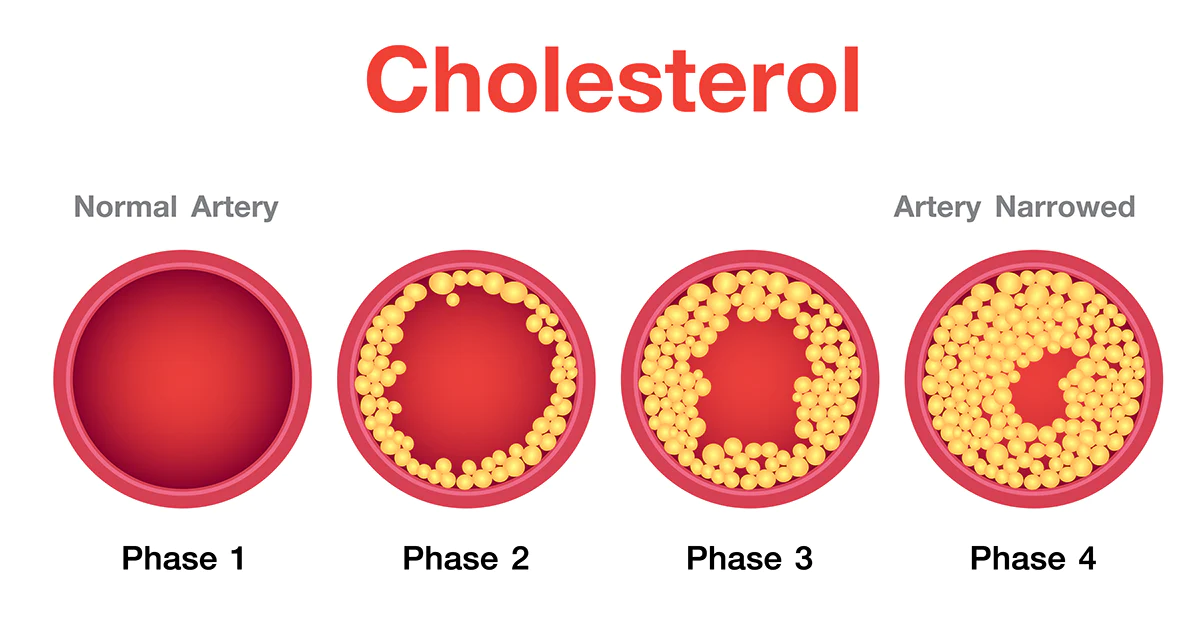
There is a lot of controversy surrounding the role of cholesterol in heart disease and other health complications like stroke, dementia, diabetes and liver disease.
In the past, it was believed that high cholesterol was the CAUSE of these conditions. For a while, everyone with high cholesterol was advised to take medications called statins to reduce their cholesterol. Unfortunately, we did not see a dramatic statistical decrease in the health problems we thought were associated with cholesterol and instead we saw many people suffering side-effects of unnecessary medication.
How much cholesterol you have circulating in your blood is determined by a number of factors:
- Genetics
- Sex
- Age
- Diet
- Exercise
- Body weight
For people with hereditary hypercholesterolaemia, having a high cholesterol is coded in their genes and no matter how thin they are, whether they are vegan or follow a carnivore diet, or whether they spend 6 hours a day in the gym… their cholesterol will be extremely high and they have no choice but to take medications to reduce health risks. Typically, people in these families will suffer heart attacks in their twenties and thirties and have multiple family members who have died young from heart disease. Fortunately, this type of hypercholesterolaemia is quite rare.
For the rest of us, cholesterol can be managed or improved through lifestyle!
Avoiding saturated fats (found primarily in animal products and processed foods) results in lower LDL levels and higher HDL levels. Eating more good fats from nuts, seeds, avocadoes and fish will help boost your HDL. Exercise, especially resistance or strength training also helps raise HDL. Cutting down on sugary, processed foods that contain trans fats will not only bring down your LDL, but also reduce inflammation in your blood vessels.
Many people will try natural supplements instead of statins to improve their cholesterol. Here are some supplements that have proven benefits for cholesterol:
Omega-3 Fatty Acids:
Sources: Fish oil, flaxseed oil, chia seeds, walnuts.
Effect: Omega-3 fatty acids, particularly EPA and DHA found in fish oil, can lower triglycerides and reduce the risk of heart disease.
Plant Sterols and Stanols:
Sources: Found naturally in small amounts in various plant-based foods.
Effect: Plant sterols and stanols can reduce LDL (bad) cholesterol by blocking its absorption in the intestines.
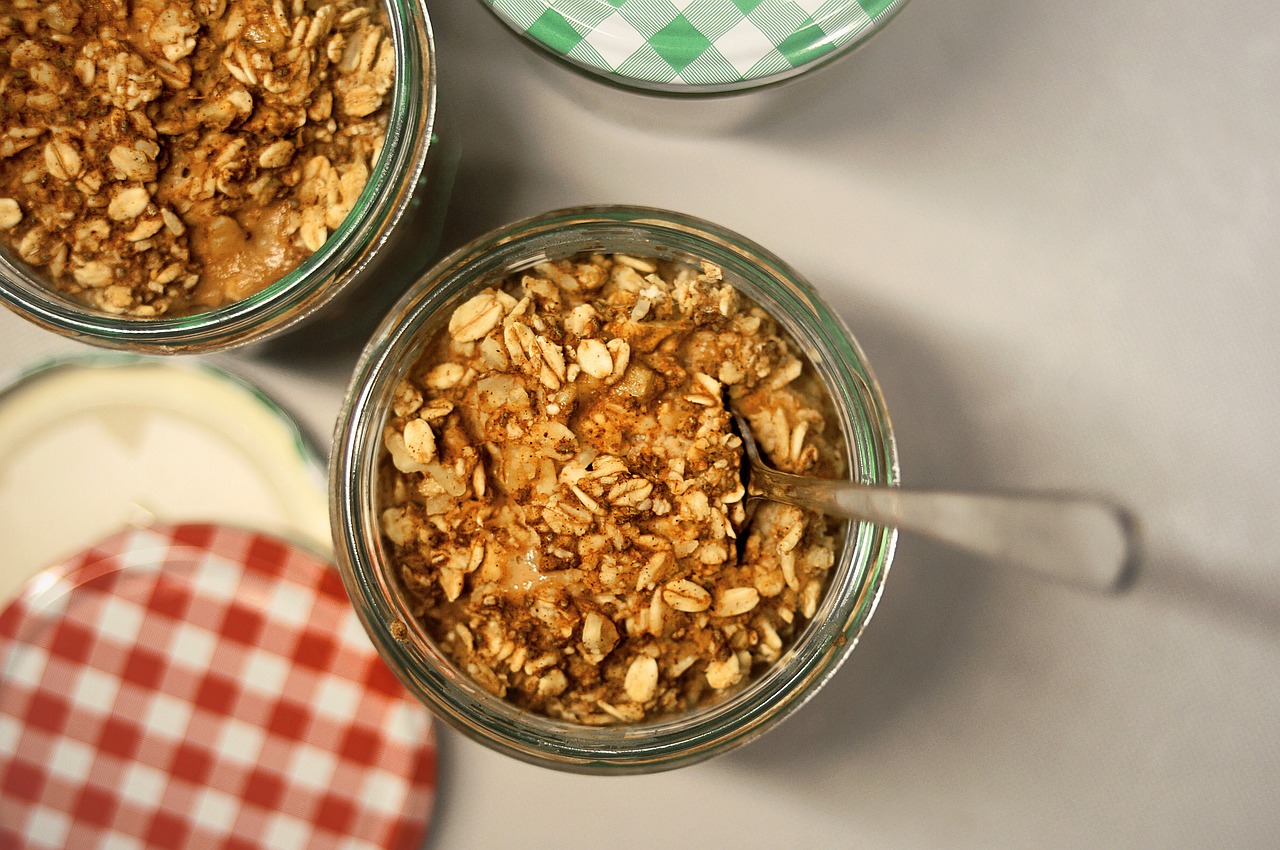
Soluble Fiber:
Sources: Oats, barley, beans, lentils, fruits (particularly apples and citrus fruits).
Effect: Soluble fiber binds to cholesterol in the digestive tract and helps eliminate it, thereby lowering LDL cholesterol levels.
Coenzyme Q10 (CoQ10):
Sources: Small amounts found in organ meats and seafood.
Effect: CoQ10 may improve blood vessel function and reduce LDL cholesterol levels.
Red Yeast Rice:
Source: A traditional Chinese fermented rice product available as a supplement.
Effect: Red yeast rice contains compounds with similar effects to statin medications and may help lower LDL cholesterol.
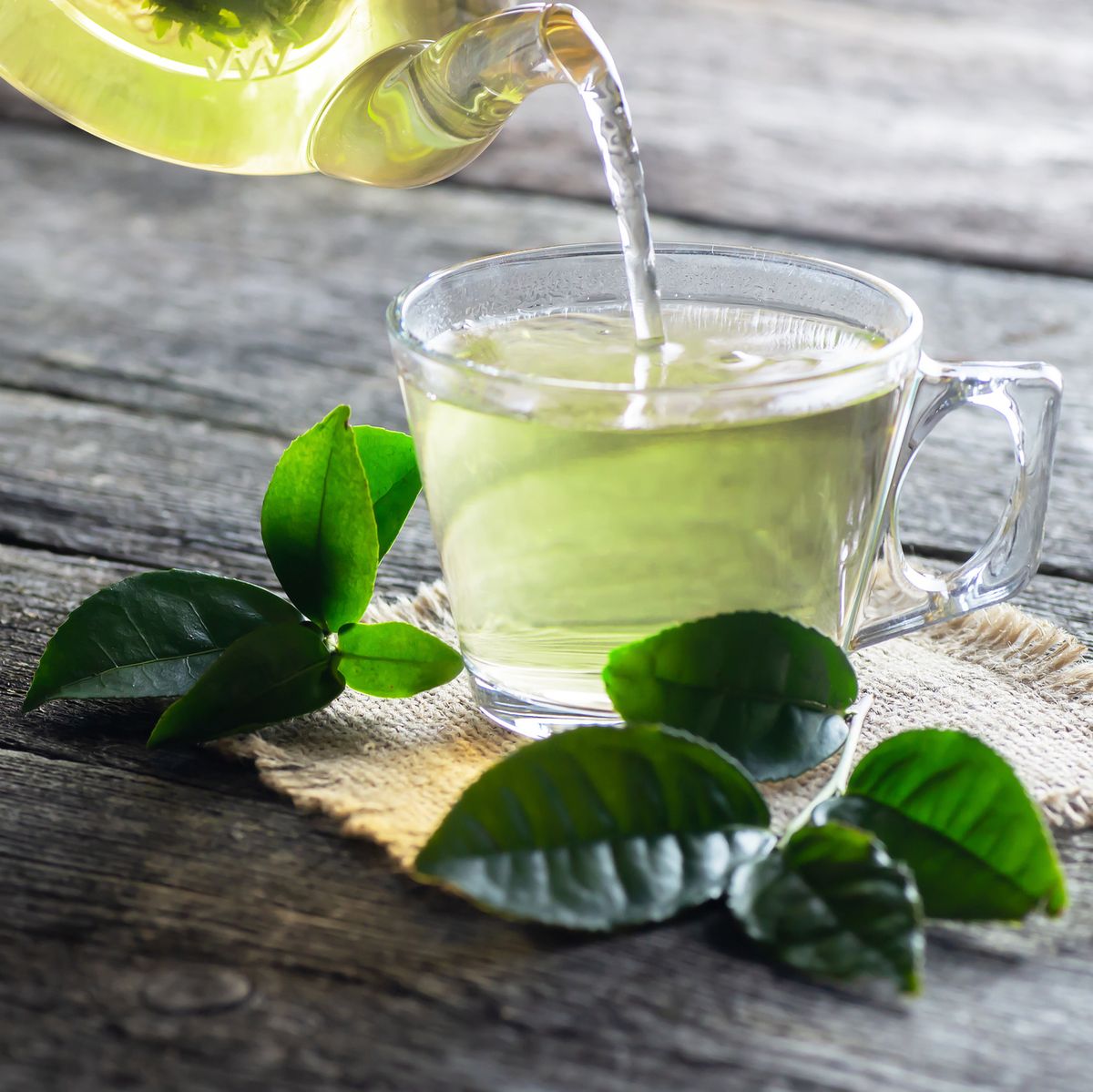
Green Tea:
Effect: The antioxidants in green tea may improve cholesterol levels by reducing LDL cholesterol oxidation.
Curcumin (Turmeric):
Source: Turmeric (fresh or dried).
Effect: Curcumin has antioxidant and anti-inflammatory properties that may benefit heart health and lower cholesterol.
Always consult with a healthcare professional before starting any new supplement regimen, especially if you have existing medical conditions or are taking medications. Individual responses to supplements can vary, and supplements may interact with medications or impact health conditions.
If you would like to receive awesome lifestyle-related hints and tips, sign up to the LifestyleDoc newsletter now!